
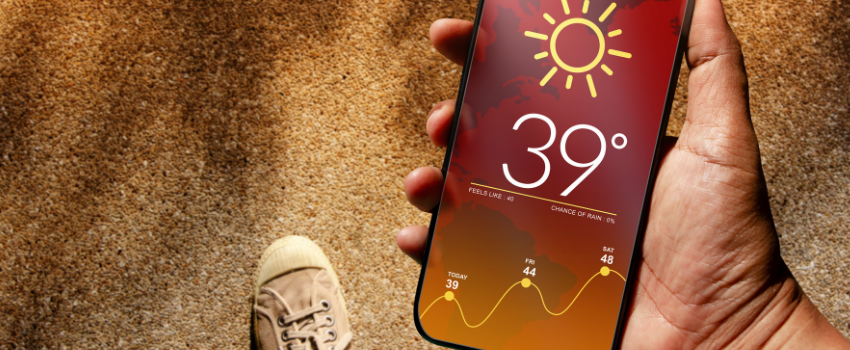
Sweat, Sun, and Safety: The Hidden Risks of Playing in the Heat
With the temperatures rising, it is important to consider personal and team safety within a community sport environment. It is time to encourage a heat-safe culture within your club.
Hot weather can affect anyone involved in sport—players, coaches, volunteers, and spectators. Some people are more at risk, including older adults, young children, pregnant women, and people with existing medical conditions. Remember, any warm day can be risky, not just days of extreme heat.
- Encourage players and coaches to find cool places to prepare and recover:
Seek shade during breaks, warm-ups, and cooldowns. Use clubrooms or community cool spaces when air conditioning is available. - Encourage appropriate and sun-safe clothing for the weather:
Promote wearing light, loose, breathable clothing and sun-smart gear such as hats and long sleeves when not actively playing. Your club merchandise could have a SPF 50+ protection, or you could promote wide-brim or bucket hats in a cooling fabric, as opposed to Caps. - Reduce unnecessary heat:
Use shade structures where possible. Limit activities on hot surfaces and avoid using equipment or facilities that radiate heat. If able, provide cold water to anyone involved or having clear signage that shows where water bottles can be refilled. - Modify or avoid training in extreme heat:
When temperatures rise, adjust training intensity, shorten sessions, move activities indoors, or reschedule for early morning or evening. If you must be outdoors, always wear and provide sunscreen and encourage hydration. - Implement cool-down techniques:
Use cold packs or wet towels between breaks, take cool (not cold) showers after activity, or rest with feet in cool water.
Staying hydrated is essential during summer sport, so make sure to drink plenty of water before, during and after activity, and avoid soft drinks or alcohol, which can make dehydration worse. Keep an eye out for early signs of dehydration—such as thirst, dizziness, tiredness or dark urine—and look out for your teammates, coaches and spectators, especially children, older adults and anyone more vulnerable to heat, encouraging regular rest, shade and water breaks. Always plan ahead by checking the weather and fire danger ratings, rescheduling activities when extreme heat is forecast, and knowing the symptoms of heat-related illness so you can act quickly if someone becomes unwell.
The Loddon Mallee Public Health Unit have created some fantastic resources surrounding heat safety in Central Victoria. Click the posters below to download your own copy for your club:
Sport Medicine Australia’s Extreme Heat Risk and Response Guidelines, together with the Sports Heat Tool, provide clear, evidence-based guidance to help community sport make safe decisions in hot conditions. The Sports Heat Tool uses local weather data and sport-specific guidelines to give real-time heat-stress risk ratings from Low to Extreme, with recommended safety actions and cooling tips. It also includes hourly and 7-day forecasts to help plan safe participation ahead of time.
Australia experiences some of the highest skin cancer rates in the world, largely because many of us spend time outdoors without realising how strong the sun’s ultraviolet (UV) radiation can be.
UV levels don’t take a day off—they can be high even when it’s cloudy, windy, or cool—so protecting your skin is something we need to do every day, not just in summer.
The earlier good sun safety habits are formed, the better, as UV exposure in childhood is one of the biggest risk factors for developing skin cancer later in life.
And while darker skin offers a little more natural protection, it doesn’t make anyone immune—every skin tone can be damaged by UV radiation, and everyone needs to stay sun smart.
VicHealth and SunSmart have developed a UV Exposure and Heat Illness Guide to help keep organised sport and physical activity safe and fun for all during summer. A fantastic resource to keep your club safe from the sun: